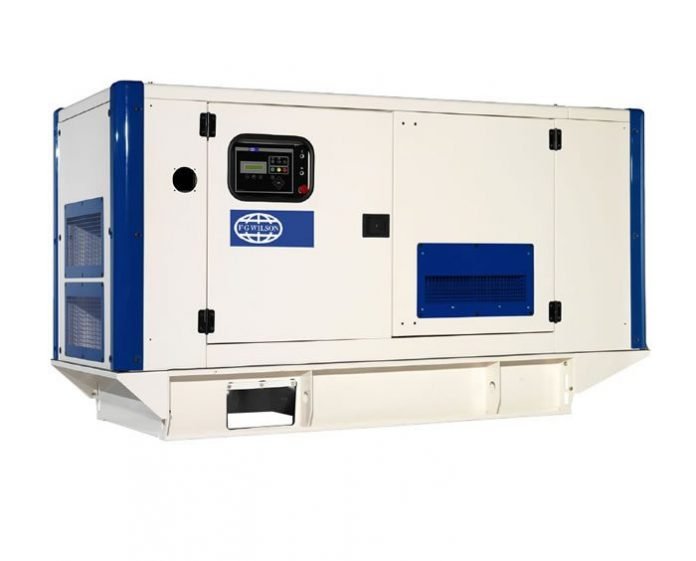
That moment your generator sputters, dies, or simply refuses to hum to life when you need it most—it's a punch to the gut. Whether you're facing a power outage, relying on it for an off-grid adventure, or keeping a construction site running, troubleshooting common generator problems is a skill every owner should cultivate. You don't need to be a certified mechanic, but understanding the basics can save you time, money, and a whole lot of frustration. This guide is your no-nonsense companion to diagnosing and often fixing those pesky generator issues, getting you back to full power with confidence.
At a Glance: Your Generator Troubleshooting Toolkit
- Safety First: Always disconnect the spark plug and allow the engine to cool before touching anything.
- The Big Three: Most problems boil down to issues with air, fuel, or spark.
- Won't Start? Check fuel, oil, spark plug, air filter, and battery (if electric start).
- Starts, Then Dies? Often low oil, stale fuel, or a clogged fuel filter/carburetor.
- Leaking Gas? Immediately address this—check fuel lines, carburetor, tank, and shut-off valve.
- Bogs Down Under Load? Likely an overload, or air/fuel restriction.
- Preventative Care: Routine maintenance is your best defense against most common generator woes.
Safety First: The Golden Rule of Generator Repair
Before you even think about grabbing a wrench or peering under the hood, remember this: a generator is a powerful piece of machinery that uses highly flammable fuel and generates electricity. Safety is non-negotiable.
Always follow these critical steps:
- Disconnect the Spark Plug Wire: This is your primary safety switch, preventing accidental startups. Pull the wire from the spark plug and tuck it away from the plug.
- Let it Cool Down: Never work on a hot engine. Give it plenty of time to cool completely.
- Ensure Ventilation: If you're dealing with fuel, work in a well-ventilated area, away from any ignition sources.
- Read Your Manual: Your generator's operator's manual is an invaluable resource. It contains model-specific safety warnings, diagrams, and troubleshooting steps. Don't skip it!
Ignoring these precautions can lead to serious injury or damage. Once you're sure it's safe, you're ready to dive in.
The Generator's Basic Needs: Air, Fuel, & Spark
Think of your generator's engine like a finely tuned machine with three fundamental requirements to run:
- Air: The engine needs a steady supply of clean air mixed with fuel for combustion.
- Fuel: A consistent flow of clean, fresh gasoline (or diesel, depending on your model) is essential.
- Spark: The spark plug provides the crucial ignition to ignite the air-fuel mixture.
If any one of these three elements is compromised, your generator will struggle, refuse to start, or die unexpectedly. Many common generator problems circle back to an issue with one of these vital components. Understanding this basic principle is your secret weapon in troubleshooting.
When Your Generator Refuses to Start
This is perhaps the most common and frustrating generator problem. You pull the cord, press the button, and... nothing. Or maybe it just cranks weakly. Let's systematically break down what might be going on.
No Power to the Starter (Electric Start)
If your generator has an electric start and simply won't crank, the problem likely lies with the electrical starting system:
- Dead or Weak Battery: Just like a car, a generator's battery can die or lose charge. Check the battery terminals for corrosion and ensure they're tight. Try charging the battery or jump-starting it with a working 12V source (refer to your manual for the correct procedure).
- Faulty Starter Solenoid: This acts as a relay between the battery and the starter motor. If you hear a click but no crank, the solenoid might be faulty or its connections corroded.
- Wiring Issues: Check all wiring connections to the battery, starter, and solenoid for looseness or damage.
Manual Recoil Woes (Pull-Start Generators)
If you're pulling the recoil cord and getting no resistance, or it feels stuck:
- Seized Engine: This is serious. It could indicate a lack of oil or severe internal damage. Do NOT force it. Check the oil level immediately.
- Broken Recoil Spring/Mechanism: The internal spring or rope might be broken. This usually requires replacing the recoil assembly.
The Air, Fuel, Spark Checklist for Non-Starters
Once you've ruled out basic starter issues, it's time to go back to the foundational requirements.
1. Fuel System Checks:
- Is There Fuel? This sounds obvious, but many times the tank is simply empty or too low.
- Is the Fuel Fresh? Gasoline degrades over time, especially when exposed to air. Stale fuel (older than 3-6 months, especially without stabilizer) can gum up the carburetor and fuel lines. Drain old fuel and refill with fresh.
- Fuel Shut-Off Valve: Is it in the "ON" position? A simple oversight can cause a big headache.
- Clogged Fuel Filter: A dirty filter restricts fuel flow. Locate your fuel filter (often inline on the fuel line or inside the tank) and replace it if it looks dirty.
- Clogged Fuel Line: Over time, sediment or gum from old fuel can restrict the fuel line. Disconnect and inspect for blockages.
- Carburetor Issues: This is a common culprit. If fuel isn't reaching the engine, or the fuel-air mixture is off, the generator won't start. A clogged carburetor typically requires cleaning or replacement. Symptoms include rough idling, stalling, or not starting at all.
2. Airflow Checks:
- Dirty Air Filter: A clogged air filter chokes the engine, preventing sufficient air from mixing with fuel. Inspect and clean or replace it. This is usually a quick and inexpensive fix.
- Choke Position: Ensure the choke is properly set for starting (usually closed when cold, then opened once running). If it's stuck or improperly adjusted, it can starve or flood the engine.
3. Spark System Checks:
- Spark Plug Condition: Remove the spark plug (after disconnecting the wire and cooling the engine!). Is it fouled with carbon deposits, wet with fuel, or damaged? Clean it with a wire brush or replace it if necessary.
- Spark Plug Gap: Ensure the gap is set correctly according to your manual.
- Is There Spark? Reconnect the spark plug wire, ground the plug (touch the metal threads to a bare metal part of the engine), and pull the recoil or briefly try the electric start (being extremely cautious of spark and moving parts). You should see a strong blue spark. If not, the plug, spark plug wire, or ignition coil might be faulty.
Pro Tip: Always check the easiest things first. Fresh fuel, correct oil level, and a clean air filter solve a surprising number of "won't start" issues.
When Your Generator Starts, Then Dies
It sputters to life, gives you a brief moment of hope, and then silently—or not so silently—shuts down. This can be equally maddening.
The Low Oil Sensor Saves the Day (or Ruined Your Day)
Most modern generators have a low oil shut-off sensor designed to protect the engine from catastrophic damage. If the oil level drops below a safe threshold, the generator will simply turn off.
- Check Oil Level: This should always be your first check if your generator starts then dies. Add oil if needed, ensuring you use the correct type and weight specified in your manual.
- Faulty Sensor: In rare cases, the sensor itself might be faulty, triggering a shut-off even with adequate oil. This is harder to diagnose and might require professional help.
Air and Fuel Restrictions (Again)
Many of the same issues that prevent a generator from starting can also cause it to start and then die. The engine gets just enough air or fuel to kick over, but not enough to sustain operation.
- Stale or Contaminated Fuel: If the fuel is old or has water/debris in it, it might ignite briefly but fail to provide consistent combustion.
- Clogged Fuel Filter/Line: A partially clogged filter or line can allow a trickle of fuel, but not the steady supply needed under load.
- Clogged Carburetor: A dirty carburetor can prevent the proper fuel-air mixture from being maintained, leading to stalling.
- Partially Clogged Air Filter: Similar to fuel, a partially blocked air filter might allow enough air for a cold start but restrict flow once the engine needs to breathe properly.
- Vent in Fuel Cap Blocked: The fuel tank needs to vent to prevent a vacuum from forming. If the vent is clogged, fuel flow will eventually stop.
The Tell-Tale Smell: Your Generator Is Leaking Gas
A gas smell is never a good sign, and a visible leak is a serious safety hazard. Gasoline fumes are harmful, highly flammable, and can lead to fires or explosions. If you detect a leak, stop using the generator immediately and do not restart it until the leak is identified and fixed.
Here's where to look:
- Carburetor: This is a very common place for leaks. The carburetor bowl gasket can fail, or the float needle can stick, causing the bowl to overfill and leak. You might see fuel dripping from the carburetor itself.
- Fuel Lines: Inspect all rubber and metal fuel lines for cracks, punctures, or loose connections. Over time, rubber lines can degrade and become brittle.
- Fuel Shut-Off Valve: The valve, if present, can leak from its seals.
- Fuel Filter: The housing or connections around the fuel filter can develop leaks.
- Fuel Tank: Check the tank itself for cracks or rust, especially around seams or where fittings attach.
- Hose Clamps: Ensure all hose clamps on fuel lines are tight and secure.
Fixing a fuel leak often involves replacing a gasket, O-ring, fuel line, or the entire carburetor if it's badly damaged. Always use fuel-resistant parts and ensure connections are secure.
Losing Power Under Load: When Your Generator Bogs Down
Your generator starts fine, runs smoothly, but as soon as you plug something in or add more devices, it groans, loses RPMs, and struggles. This "bogging down" means it can't handle the power demand.
Overloading the Generator
This is the simplest explanation: you're asking too much of your generator.
- Check Wattage: Add up the running wattage of all devices you're trying to power simultaneously. Compare this to your generator's running wattage capacity (not surge wattage).
- Reduce Load: Unplug some devices and see if the problem resolves. Start with high-draw appliances like electric heaters, air conditioners, or power tools.
- Start High-Draw Items Individually: Some appliances have a high "startup" or "surge" wattage. Start these one at a time, allowing the generator to stabilize before plugging in the next.
Air and Fuel Restrictions (Yet Again)
Even if your generator starts and idles fine, a partial restriction in the air or fuel system can become evident under load when the engine demands more of both.
- Clogged Air Filter: A partially clogged air filter might not prevent starting, but it will restrict airflow significantly when the engine tries to work harder.
- Dirty Spark Plug: A fouled spark plug might fire erratically under load, leading to misfires and power loss.
- Clogged Fuel Filter/Line: Similar to the air filter, a partial blockage can't deliver the increased fuel volume needed for higher output.
- Carburetor Issues: The carburetor's jets might be partially clogged, preventing it from supplying enough fuel for optimal combustion under load. This is a classic symptom of a carburetor needing cleaning.
- Old or Stale Fuel: Fuel that's starting to go bad can burn inefficiently, especially under increased demand.
Other Possibilities:
- Incorrect Engine Speed (RPM): Your generator needs to run at a specific RPM (usually 3600 RPM for 60Hz power) to produce stable voltage and frequency. If the governor system (which regulates engine speed) is off, it can struggle under load. This is a more advanced diagnosis, often requiring a tachometer.
Beyond the Big Four: Other Common Generator Culprits
While the issues above cover the vast majority of generator problems, a few other things can pop up:
- Circuit Breaker Tripped: Before you panic, check the generator's circuit breakers. Just like in your home, these can trip if an appliance draws too much power, or if there's a short circuit. Resetting them might be all you need.
- Faulty Outlets: Inspect the generator's output receptacles. They can wear out or become damaged, leading to no power even if the generator is running fine.
- Damaged Rotor or Stator (The "Generator" Part): This is the electrical component that actually produces power. If it's damaged, the engine might run perfectly, but there will be no electrical output. This usually requires professional repair.
- Loose Connections: Vibrations can loosen electrical connections over time. Check all wiring, especially where the output connects.
Solving these problems yourself gives you a unique sense of accomplishment, similar to figuring out how to build a cobblestone generator from basic elements—it's about understanding the underlying mechanics to create or restore functionality.
Proactive Maintenance: Your Best Defense Against Downtime
The best way to troubleshoot generator problems is to prevent them from happening in the first place. A consistent maintenance schedule is your generator's best friend.
- Regular Oil Changes: Follow your manual's recommendations for oil type and change intervals. This is crucial for engine longevity.
- Keep Fuel Fresh: Use fresh gasoline and consider a fuel stabilizer, especially if you store your generator for more than a month or two. Drain the fuel system completely for long-term storage (over 6 months).
- Clean/Replace Air Filter: Check it regularly, especially in dusty conditions.
- Inspect Spark Plug: Clean or replace it annually or as recommended.
- Check Battery (Electric Start): Keep it charged, clean the terminals, and test its voltage periodically.
- Run It Regularly: Even if you don't need it, run your generator for 15-30 minutes every month under a light load (e.g., a few lights or a small fan). This circulates oil, keeps components lubricated, and burns off old fuel in the carburetor.
- Store Properly: Store your generator in a clean, dry place, protected from extreme temperatures.
When to Call in the Pros: Knowing Your Limits
While this guide empowers you to tackle many common generator problems, there are times when it's wiser and safer to call a qualified technician.
- Complex Electrical Issues: If you've got power but no output, or strange electrical readings, it might be an issue with the alternator, voltage regulator, or other intricate electrical components. These can be dangerous to diagnose without proper training and tools.
- Internal Engine Damage: If you suspect a seized engine, unusual knocking sounds, or persistent smoke, it's likely beyond a simple DIY fix.
- Propane/Natural Gas Generators: These systems involve pressurized gas and require specialized knowledge and tools for safe repair.
- You've Tried Everything: If you've systematically gone through all the common troubleshooting steps and your generator still isn't working, it's time to get a professional diagnosis.
- Safety Concerns: If you feel uncomfortable or unsafe at any point, stop and call for help. No repair is worth risking your safety.
Empowering Your Generator Readiness
Your generator is an investment in peace of mind, preparedness, and convenience. While issues can arise, they don't have to leave you in the dark. By understanding the fundamentals of air, fuel, and spark, practicing diligent maintenance, and systematically approaching any problem, you'll be well-equipped to handle most common generator issues that come your way. You're not just troubleshooting; you're ensuring your power source remains a reliable ally for years to come.