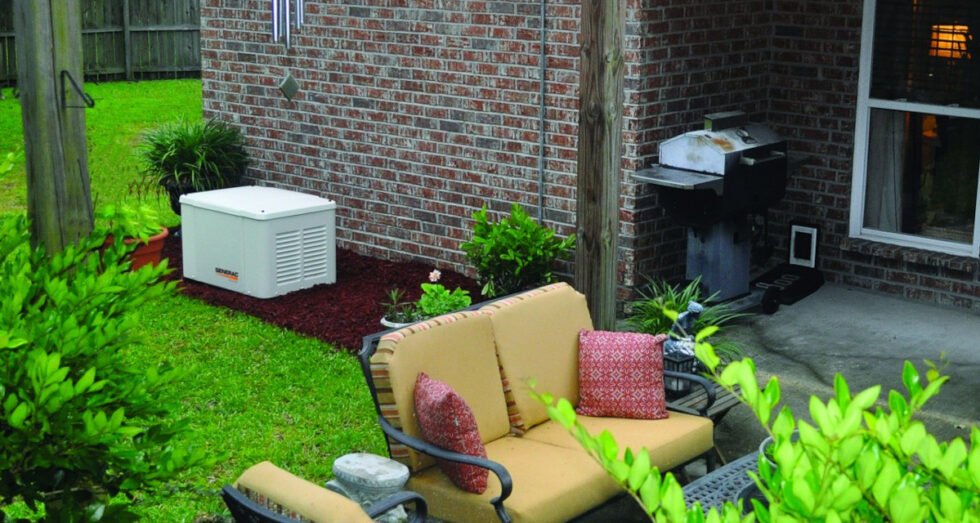
When the lights go out, a generator isn't just a convenience—it's a lifeline. But simply owning one isn't enough; its effectiveness, safety, and longevity hinge entirely on its Required Materials & Placement for Generators. Get it right, and you're prepared for anything. Get it wrong, and you're inviting hazards, inefficiency, and potentially costly legal headaches. This isn't just about finding a spot in the yard; it's a strategic decision demanding careful planning and adherence to best practices.
At a Glance: Smart Generator Placement & Materials
- Safety First: Always outdoors, away from windows and vents, to prevent carbon monoxide poisoning.
- Foundation Matters: A level, stable, and often concrete pad is non-negotiable for vibration control and unit stability.
- Ventilation is King: Ensure ample airflow to prevent overheating, boost efficiency, and extend the generator's lifespan.
- Clearance Counts: Maintain specific distances from buildings, combustible materials, and other obstacles as per manufacturer and local codes.
- Accessible Services: Plan for easy access to fuel supply, electrical connections, and maintenance points.
- Noise & Aesthetics: Consider sound reduction strategies and how the generator visually integrates with its environment.
- Local Laws: Always verify and comply with local zoning, permitting, and building codes before installation.
Why Placement Isn't Just "Anywhere Out Back"
Think of your generator as the heart of your backup power system. Just like a heart needs proper conditions to function, so does your generator. Poor placement can turn a valuable asset into a liability. It’s a dance between generator efficiency, placement aesthetics, crucial clearance requirements, and vital ventilation zones.
Beyond simply preventing a power outage, proper placement and material selection safeguard against:
- Safety Hazards: Carbon monoxide poisoning, fire risks, electrical shocks.
- Equipment Damage: Overheating, exposure to elements, excessive vibration.
- Legal & Financial Penalties: Fines for code violations, voided insurance, costly relocation.
- Reduced Performance: Lower fuel efficiency, shorter run times, decreased power output.
- Annoying Nuisances: Excessive noise and unsightly installations.
The goal is to maximize performance, minimize risks, and ensure easy, safe maintenance for years to come. This means considering everything from avoiding flood-prone locations to ensuring adequate ventilation for optimal airflow, all while keeping the unit on a stable, level surface to prevent destructive vibrations.
The Absolute Golden Rules of Generator Placement
Before you even think about where it goes, these principles must guide your decision-making.
1. Safety First, Always: Non-Negotiables
Your primary concern with any generator installation must be safety. Ignoring these rules puts lives at risk.
- Outdoors is the ONLY Place: Generators must always be placed outdoors. Never run one in an enclosed or partially enclosed space like a garage, basement, or shed. This is critical to prevent hazardous carbon monoxide (CO) buildup, an odorless, colorless gas that can be fatal.
- Distance from Openings: Position your generator far away from windows, doors, and vents that could allow exhaust fumes to enter your home or other buildings. A minimum distance (often 10-20 feet) is typically specified by manufacturers and local codes.
- Stable & Level Surface: The unit must sit on a flat, stable surface to prevent tipping, excessive vibration, and potential damage to internal components. Gravel is usually insufficient and often against building codes for permanent installations; concrete is the industry standard.
- Away from Water: Never place a generator near water sources or in wet conditions. This includes avoiding areas prone to flooding, sprinklers, or drainage paths to prevent electrical hazards.
- Proper Ventilation: Ensure nothing obstructs the generator's air intake or exhaust vents. Good airflow is essential to prevent overheating, which can rapidly degrade components and lead to breakdowns.
- Grounded Outlet: Always connect your generator to a grounded outlet with appropriate cords to prevent electrical shock.
- Regular Inspections: Routinely check cords and connections for any damage or wear.
- Never Overload: Understand your generator's capacity and never exceed its rated wattage to prevent damage and safety risks.
2. Optimize for Performance & Longevity
Beyond basic safety, smart placement enhances how well your generator runs and for how long.
- Choose an Open, Ventilated Location: An open area allows for improved airflow, which is crucial for cooling the engine, enhancing fuel efficiency, and preventing overheating. This direct exposure to ambient air helps dissipate heat more effectively.
- Elevate the Unit: Placing your generator on a slightly elevated, stable surface reduces its exposure to dust, debris, standing water, and pests. This protection helps keep internal components cleaner, lowering maintenance needs and extending the unit's operational life.
- Opt for Noise-Reducing Barriers (When Possible): Generators can be noisy. Strategic placement, such as behind a fence, within an acoustically treated enclosure, or utilizing natural terrain features, can significantly contain sound. This improves noise reduction for your household and neighbors, allowing your generator to be an invaluable asset without being an unbearable nuisance.
- Environmental Considerations: Think about your local environment. Avoid locations prone to excessive dust, pollen, leaves, or other debris that could clog air filters or cooling fins. Similarly, choose a spot that’s not susceptible to high winds that could blow debris onto the unit or heavy snow accumulation that could block exhaust or intake vents.
3. Legal & Local Compliance: Don't Skip This Step
Ignoring local regulations can be expensive and frustrating.
- Code Violations and Fines: Violating local permitting requirements or zoning restrictions can lead to costly fines, mandatory relocation, or even voided insurance coverage. Always verify local building codes, homeowner association (HOA) rules, and obtain necessary permits before installation. These codes often dictate minimum clearances from structures, property lines, and fuel storage requirements.
Strategic Siting: Where to Put Your Powerhouse
Different scenarios call for different strategic approaches to placement.
High Traffic Areas (Commercial/Industrial)
For commercial or industrial settings, strategic positioning can greatly impact operational efficiency. Placing generators in urban zones or commercial districts isn't just about power; it's about access. This ensures easy access for routine maintenance, allows for quick emergency response, and facilitates personnel monitoring, all of which minimize downtime. It's a delicate balance of accessibility with safety and compliance—you want it reachable but not obstructive or hazardous.
Centralized Location Strategy
This approach aims to optimize power distribution, especially crucial for large homes or facilities. By placing the generator centrally, you minimize the length of electrical cables required, which reduces energy loss and improves overall system efficiency. This strategy also simplifies maintenance by creating a single, accessible point for service. For installations involving renewable energy, a centralized location near inverters or battery banks further enhances efficiency. However, remember to factor in safe access and stringent fire safety protocols.
Near Power Sources
Positioning generators near main electrical panels or inverters significantly minimizes wiring length and subsequent energy loss, thereby improving the overall electrical system efficiency. For residential setups, placing the generator somewhat close to the home (while maintaining all safety clearances) can also simplify wiring and potentially reduce perceived noise by routing power efficiently. This proximity, when done correctly, prevents expensive repairs from overheating or electrical surges due to excessively long, inefficient cable runs.
Common Pitfalls & How to Avoid Costly Mistakes
Understanding what not to do is as important as knowing what to do.
Equipment Damage Risks
- Poor Ventilation: This is a silent killer for generators. Inadequate airflow leads to overheating, which rapidly decreases efficiency, causes internal damage to the engine and alternator, and can drastically shorten the unit's lifespan. Always ensure proper spacing and an unobstructed ventilation zone.
- Exposure to Elements: Placing a generator where it's consistently exposed to moisture (rain, heavy dew), excessive dust, or debris significantly increases the risk of corrosion, component failure, and increased maintenance needs. While they are designed for outdoor use, extreme, direct exposure should be mitigated where possible.
- Electrical Surges: Incorrect placement near sensitive electronics or in areas prone to power fluctuations (without proper surge protection) can cause damaging electrical surges. Ensure your electrical system is properly designed and protected.
Power Outage Penalties
Beyond the immediate inconvenience, improper placement can directly impact the reliability of your backup power system:
- Disrupted Backup: Obstructed airflow or difficult access can prevent the generator from starting or running reliably when you need it most.
- Fuel Management Issues: If fuel delivery or access is difficult due to placement, you risk running out of fuel during an extended outage, incurring downtime penalties, especially in commercial settings.
- Environmental Vulnerability: Positioning in flood-prone areas or locations exposed to extreme weather can damage the generator, making it unreliable precisely when critical.
Demystifying Materials: What You Really Need
Installing a generator isn't just about the unit itself; it's about building a robust foundation and support system. These are the required materials often overlooked.
The Foundation: Concrete Pads & Anchoring
For any permanent generator installation, a proper foundation is non-negotiable.
- Why Concrete? Generators vibrate during operation and must remain level. Concrete is the industry standard for its stability, durability, and ability to dampen vibrations. Gravel is generally not advised and often against building codes because it shifts and doesn't provide a consistently level, stable surface.
- Concrete Pad Design Principles:
- Level Surface: The pad must be perfectly level to ensure the generator operates efficiently and without undue stress on its components.
- Weight Capacity: Generators are heavy, especially industrial units. The concrete pad must be engineered to support the full operational weight of the generator, its fuel tank (if external), and any associated enclosures. Reinforcement (rebar) is often required for heavier loads.
- Size & Protrusion: The pad should extend at least 6-12 inches beyond the perimeter of the generator itself on all sides (overall size plus 0.5” often cited). This provides a stable base and protects the edges of the foundation.
- Ambient Temperature: Consider ambient temperature during the concrete pour to ensure proper curing and structural integrity.
- Concrete Anchors: Securing Your Investment:
- Purpose: Anchors secure the generator and any backup fuel tank to the concrete pad, preventing movement due to vibration, wind, or accidental impact.
- Types:
- Heavy-duty Anchors (Pre-pour): Installed directly into the formwork before the concrete is poured. These require extremely accurate measurements but offer superior strength.
- Adhesive Bonds (Post-pour): A hole is drilled into the cured concrete, a chemical epoxy is injected, and a threaded stud is inserted and allowed to bond.
- Mechanical Bonds (Post-pour): A hole is drilled, a stud is inserted, and a mechanical mechanism (like an expansion wedge) is tightened, creating a strong grip within the concrete.
Containment & Security
Especially for larger, fuel-guzzling units, these materials are vital.
- Spill Containment: For any generator with significant fuel storage, spill containment is a critical material requirement. This typically involves a secondary containment basin designed to hold 110% of the fuel tank's capacity, preventing environmental contamination in case of a leak or spill. For example, a 600-gallon backup tank might require 1200 gallons of spill containment capacity for 16 hours of continuous operation.
- Security Fencing: Installing a security fence around a permanent generator installation is often a requirement, protecting the unit from vandalism, theft, and unauthorized access, particularly important in public or commercial settings.
Services & Connections
These materials are integral to the generator's operation.
- Fuel Lines: Whether buried or above-ground, fuel lines (for diesel or natural gas) must be properly sized, routed, and protected according to code.
- Electrical Drops: The conduit and wiring for electrical connections (power output, control signals, automatic transfer switch connections) must be planned and installed according to national and local electrical codes.
- Ventilation Ductwork: For indoor installations or generators within custom enclosures, specific ductwork with louvers and fans is required to ensure adequate intake of combustion air and expulsion of hot exhaust air.
Advanced Considerations: Fine-Tuning for Peak Performance
Once the basics are covered, these refinements can make a big difference.
- Fuel Efficiency: Optimal performance means positioning generators to minimize fuel consumption and extend run time. This might involve strategic placement to avoid extreme heat (which can reduce efficiency) or minimizing the distance fuel needs to travel.
- Noise Reduction: Beyond simple barriers, consider the terrain and surrounding structures. Utilizing natural slopes, existing buildings, or strategically planted dense shrubbery can provide additional acoustic shielding, reducing the noise footprint without requiring extensive artificial barriers. This balances power needs proximity with efficiency and discretion.
- Troubleshooting Placement Issues: If your generator isn't performing optimally, start by checking its maintenance routines (dirty filters, worn parts). But don't overlook placement. Analyze the current setup for airflow obstructions or signs of heat buildup. You might need to reposition the generator slightly to optimize cooling, minimize cable lengths (for voltage drop issues), or ensure easier maintenance access. Regular inspection and fine-tuning are essential for long-term reliability.
Industrial Scale: Specific Site Planning Guidelines
Industrial generator installations, whether permanent, portable, or facility-located, demand a higher level of detail and adherence to stringent manufacturer, state, and federal guidelines. A basic drawing of the generator and its supporting systems is an essential starting point.
Permanent Enclosed Generators
These units are built for continuous, heavy-duty operation and require substantial planning.
- Clearance is King: Ensure generous space between the building, fuel supply, and other structures. This isn't just for safety but critically for major maintenance tasks like engine removal or component replacement.
- Fuel Supply Accessibility: The fuel storage and supply lines must be easily accessible for fuel truck deliveries. This often means considering traffic flow and vehicle turning radii during site design.
- Security: A robust security fence around the entire generator area is typically required to prevent tampering, theft, and unauthorized access.
- Services Planning: Plan for the routing of buried or above-ground fuel and electrical services, ensuring they are protected and meet code requirements.
- Area Size: Design the generator area to comfortably accommodate the generator, its associated fuel tank (e.g., a 600-gallon backup for a Caterpillar 1000 kW unit), and crucial space for maintenance access. For a generator like the Caterpillar 1000 kW (21.5’ x 11.5’, 44,000 lbs full), this is a significant footprint.
- Spill Containment: As mentioned, spill containment for fuel storage is absolutely necessary, sized to hold 110% of the tank's volume.
- Concrete Pad Design: For industrial generators, the concrete pad design is paramount. It must support immense weight (e.g., 44,000 lbs full for a 1000 kW unit), handle significant vibration, and be securely anchored. Gravel is unequivocally not advised and against most building codes. Reinforcement with rebar is essential.
- Concrete Anchors: Heavy-duty anchoring systems (pre-pour or post-pour) are used to rigidly secure both the generator and its backup fuel tank to the pad.
Portable Enclosed Generators
While these require less permanent site preparation, planning is still essential.
- Access Roads: Even though they're often trailer-mounted (e.g., a Baldor 800 kW portable generator: 46’ x 9’, 13’ height, 67,000 lbs), you still need to establish a clear, stable access road to the generator's intended location(s). If the generator moves, prepare multiple potential areas.
- Clearance for Support: Ensure adequate clearance for the generator itself, but also for supporting equipment like fuel trucks, cranes (if off-loading), and maintenance personnel.
- Ground Support: If the soil is moist or unstable, use dunnage (sturdy wood blocks or mats) under the rear wheels or outriggers for additional support to prevent sinking or instability. These units can carry massive fuel tanks, like a 2800-gallon tank for a Baldor 800 kW, providing nearly 20 hours of full-load operation.
Generators Located Inside Facilities
These are often self-contained systems (engine, generator, cooling on a skid) and may have redundant backup fueled by natural gas or diesel (with day tanks common for diesel). They present unique challenges.
- Movement and Placement: Plan for the movement of the heavy generator into its final location. This requires specialized lifting devices like a fork truck, overhead crane, or gantry system. Unloading from the delivery truck to a prep area before final positioning is common.
- Site Preparation (Example: MTU 3000 kW Indoor Generator):
- Regulatory Compliance: Always consult federal, state, and local authorities for specific regulations regarding indoor generator installation.
- Concrete Pad: A dedicated concrete pad is essential inside the facility, designed for weight, vibration, and to allow for all necessary maintenance clearances. Skid mounts typically attach directly to these pads, requiring precise alignment.
- Intake Air: The engine intake must have a dedicated, positive supply of outside air during operation, often requiring substantial ductwork.
- Fuel Supply: Fuel piping (for diesel or natural gas) may need to be routed under floor level and protected by grating to prevent damage and ensure safety.
- Electrical Drops: Have all necessary electrical drops and connections ready for use immediately post-installation to facilitate quick commissioning.
- Cooling Air: Install robust ductwork with large louvers specifically designed for attachment to the generator's cooling system to ensure efficient heat dissipation.
- Exhaust System: The building's exhaust system, including appropriately sized and insulated stacks, must be installed before the generator is positioned, ensuring a clear path for hot, noxious fumes. While building a generator from scratch for specific uses like making a cobblestone generator involves different principles, the fundamental need for efficient energy transfer and managing byproducts like heat remains central.
Your Next Steps: Ensuring a Seamless Generator Installation
Understanding the Required Materials & Placement for Generators is the first step, but it’s crucial to act on this knowledge. Don't leave your backup power to chance or guesswork.
- Consult Local Experts: Reach out to licensed electricians, general contractors, and generator specialists in your area. They are intimately familiar with local codes, permitting processes, and the specific environmental factors unique to your region.
- Obtain Permits: Do not bypass the permitting process. It ensures your installation meets safety standards and avoids costly fines or future complications.
- Professional Installation: While DIY might seem appealing, generator installation is complex and involves high voltage electricity and combustible fuels. Professional installation ensures safety, compliance, and optimal performance.
- Regular Maintenance: Once installed, adhere to the manufacturer’s recommended maintenance schedule. This will keep your generator in top condition and ensure it’s ready when you need it most.
By taking these steps, you’re not just installing a generator; you’re investing in peace of mind, ensuring safety, and securing a reliable power source for whatever comes your way.